

Automotive Dealership Training - Resources
Ultimate Automotive Dealership Training Guide for 2025
In an era defined by razor-thin margins and escalating market competition, the necessity for robust automotive dealership training has never been more vital. Modern automotive retail is no longer just about the handshake on the showroom floor; it is a complex ecosystem requiring synchronized mastery across every department, from the front-end sales force to the back-office accounting teams. As consumer expectations shift toward digital-first interactions and transparent pricing, dealerships must evolve their operational playbooks to maintain profitability. This comprehensive guide explores how targeted education and structured process implementation can transform a standard retail outlet into a high-performing, revenue-centric powerhouse by aligning human capital with modern technological advancements and department-specific best practices.
The Critical Importance of Employee Training for Modern Car Dealerships
Investing in employee development is the cornerstone of sustainable growth in the automotive sector. High-quality Automotive Dealership Training serves as a preventative measure against the common pitfalls of high staff turnover and stagnant sales volume. When staff members are equipped with a clear understanding of their roles, they exhibit higher confidence, leading to improved customer satisfaction and retention. Beyond individual performance, training ensures that the dealership remains compliant with ever-changing federal and state regulations, effectively protecting the business from costly legal liabilities. By standardizing procedures through professional education, owners can ensure that every lead is handled with the same level of precision, regardless of which staff member is on duty.
Foundational Sales Training Tips and Essential Topics for Beginners
For those entering the industry, the learning curve can be steep, necessitating a focus on fundamental skills that drive immediate results. The most effective car sales training tips for beginners involve mastering the art of the "road to the sale," which begins with a professional greeting and moves through a rigorous needs-discovery phase. Understanding product knowledge is essential, but beginners must also learn the psychological aspects of negotiation. Essential training topics include effective qualifying, persuasive vehicle presentations, and the ability to handle common objections concerning price and trade-in value. Furthermore, newcomers must be coached on how to navigate the modern CRM, ensuring that every interaction is logged and every follow-up is scheduled. This structured approach prevents leads from falling through the cracks and builds a disciplined work ethic from day one.
Strategic Frameworks for Building Top-Performing Automotive Sales Teams
Creating an elite sales force requires a blend of intentional hiring and continuous process refinement. To build a top-performing automotive dealership sales team, leadership must transition away from "sink or swim" mentalities toward a culture of mentorship and accountability. This involves implementing repeatable processes across all departments, including the Business Development Center and the finance office. Effective Automotive Dealership Training should emphasize the synergy between sales and the F&I department. When sales consultants understand f&i best practices automotive, they can better prepare customers for the back-end transition, leading to higher product penetration and smoother transactions. Performance tracking through key performance indicators allows managers to identify specific training gaps and provide surgical coaching where it is needed most, rather than relying on generic, one-size-fits-all meetings.
Addressing Common Customer Inquiries and Communication Modernization
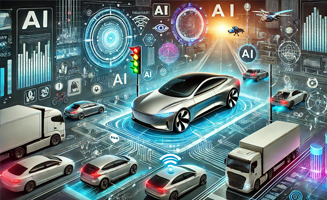
Modern car buyers enter the showroom more informed than ever before, often having spent hours researching online. Consequently, the questions customers commonly ask auto salespeople have shifted from basic vehicle specs to complex inquiries regarding total cost of ownership, financing rates, and the long-term reliability of hybrid or electric drivetrains. Salespeople must be prepared to answer questions about monthly payment breakdowns and the specific value of various protection packages. In this environment, dealership bdc management plays a pivotal role. The BDC is often the first point of contact, and their ability to answer technical questions and set firm appointments determines the success of the sales floor. Integrating artificial intelligence and digital communication tools into the BDC workflow ensures that customer inquiries are met with speed and accuracy, reflecting a dealership that is future-proof and technologically relevant.
Integrating Departmental Mastery for Unified Dealership Excellence
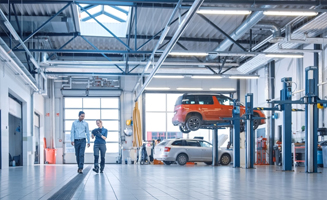
The true power of Automotive Dealership Training lies in its ability to unify disparate departments into a singular, cohesive unit focused on the bottom line. From the intricacies of Module 9 Accounting & Office operations to the visionary strategies found in General Management training, every facet of the dealership must speak the same operational language. By focusing on department-level mastery—whether it is perfecting the hand-off between sales and F&I or ensuring the service drive is aligned with sales retention goals—dealerships can insulate themselves against economic volatility. This holistic approach ensures that while margins may thin due to market forces, operational efficiency remains high. Ultimately, the synthesis of tactical sales skills, rigorous BDC operations, and disciplined financial management creates a resilient business model capable of thriving in the transition to electric vehicles and the age of AI-driven retail. Success in 2025 and beyond will belong to those who treat education as a continuous revenue strategy rather than a one-time event.