

Automotive Dealership Training Program - Resources
Automotive Dealership Training Program: Complete Guide for 2025
Modern automotive retail requires a sophisticated blend of tactical expertise and strategic foresight to survive in an era of thinning margins and heightened consumer expectations. To maintain peak performance across all departments, owners must invest in a comprehensive Automotive Dealership Training Program that moves beyond abstract theory into practical, revenue-minded instruction. From mastering the nuances of a dealership bdc to perfecting the complexities of an f&i dealership, the path to sustained profitability lies in standardized, repeatable processes. Understanding the educational landscape, including licensing requirements and advanced management certifications, is essential for any professional seeking to elevate their operational efficiency and future-proof their career in a rapidly evolving marketplace.
Essential Requirements for Motor Vehicle Dealer Training Schools
The requirements for motor vehicle dealer training school vary significantly by jurisdiction, but they share a core objective: ensuring that operators understand the legal, financial, and ethical obligations of the trade. In most states, prospective dealers must complete a state-approved pre-licensing course that covers consumer protection laws, Titling and Registration, and federal regulations such as the Safeguards Rule. Beyond these baseline legalities, a robust Automotive Dealership Training Program should provide a modular approach to department-level mastery. This includes rigorous training in accounting and office operations to protect the bottom line, alongside compliance controls that shield the business from regulatory scrutiny. Successful schools prioritize hands-on playbooks over static lectures, preparing students for the daily realities of inventory management and floor plan financing.
Advanced Management Education and the NADA Professional Series
For those moving into leadership roles, the NADA Professional Series for dealership managers represents a significant benchmark in industry education. This program is designed to bridge the gap between department-level competency and holistic general management. It focuses on several key areas, including financial management, parts and service optimization, and human resources. While traditional certifications like these provide a solid foundation, modern professionals often supplement them with specialized modules focused on emerging trends. This includes training in electric vehicle readiness and the integration of artificial intelligence into daily workflows. By combining the prestige of established institutional learning with the agility of modern digital academies, managers can develop a comprehensive toolkit that addresses both legacy challenges and the digital transformation currently reshaping the retail landscape.
Specialized Education and Florida Auto Dealer Pre-License Standards
Navigating the specific regional demands for professional licensing is a critical first step for many entrepreneurs. For instance, knowing how to get Florida auto dealer pre-license education is vital for those entering one of the nation's most active markets. Florida requires a specific number of instructional hours through authorized providers, focusing heavily on state statutes and the proper handling of motor vehicle records. However, obtaining a license is merely the beginning of the journey. Once the doors are open, the focus must shift to operational excellence. This is where a targeted Automotive Dealership Training Program becomes invaluable, offering the checklists and process flows necessary to convert a legislative requirement into a functional, profitable business model. Education must be continuous, evolving from basic licensing into sophisticated department-specific mastery.
Diverse Opportunities Through Auto Dealer University and ADEI
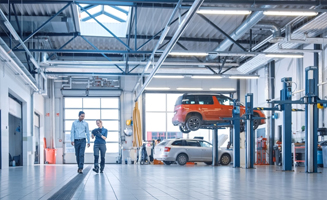
The educational ecosystem offers various pathways for professional growth, ranging from the structured schedules of the Automobile Dealer Education Institute apprenticeship to the flexible digital offerings of Auto Dealer University. The ADEI apprenticeship program is particularly noteworthy for its focus on service advisor and technician development, emphasizing the importance of fixed operations in the "total dealership" concept. Conversely, digital platforms allow staff to engage with content like dealership bdc fundamentals or f&i dealership best practices at their own pace. These programs collectively ensure that every level of the organization, from the front-line service desk to the back-office accounting team, has access to the tactical knowledge required to preserve margins and enhance the customer experience in a competitive environment.
Optimizing BDC and F&I Processes for Revenue Growth
To maximize profitability, modern dealerships must focus on two critical engines of growth: the Business Development Center and the Finance and Insurance department. A high-performing dealership bdc serves as the central hub for lead management and customer retention, requiring staff to master communication protocols and appointment-setting strategies that drive showroom traffic. Simultaneously, the f&i dealership operations must balance aggressive revenue generation with strict compliance standards. This involves training F&I managers to present product menus effectively while adhering to "red flag" rules and credit disclosure requirements. By implementing standardized playbooks across these departments, leadership can ensure that every customer interaction is optimized for both profit and long-term loyalty, regardless of the individual staff member handling the transaction.
Synergy and Future-Proofing in Modern Dealership Operations
The true strength of a dealership lies in the coordinated execution of its various departments. When the accounting office provides accurate data to the general manager, and the BDC works in perfect harmony with the sales floor, the resulting efficiency shields the business from market volatility. This synergy is best achieved through a unified training vision that addresses the full retail operation. As the industry faces the dual disruptions of electric vehicles and artificial intelligence, the ability to rapidly adapt through targeted education will be the primary differentiator between successful groups and those that fade away. Embracing a culture of continuous learning and tactical implementation ensures that the organization remains resilient, compliant, and consistently profitable in the face of change.
Synthesizing Department-Level Mastery for Long-Term Success
In conclusion, the modern automotive landscape demands a multifaceted approach to professional development. Whether one is pursuing foundational knowledge through an apprenticeship, seeking state-specific pre-licensing, or aiming for executive-level certification via the NADA series, the common thread is the need for actionable, department-specific expertise. By investing in comprehensive programs that cover everything from compliance and accounting to the latest in EV technology, dealership owners can build a sustainable infrastructure for growth. Understanding the mechanics of a dealership bdc and the profit potential within an f&i dealership is no longer optional; it is the prerequisite for success. As competition intensifies, those who prioritize standardized training and future-focused operational excellence will be best positioned to lead the next generation of automotive retail. Integrating these educational pathways creates a formidable workforce capable of navigating today’s challenges while preparing for tomorrow’s opportunities.
Additional Resources:
Fleet Maintenance Tracking Software
Sell My Car For Cash Nyc