

Automotive Dealership Training Solutions - Resources
Top Automotive Dealership Training Solutions for 2025
In the modern automotive landscape, dealerships must grapple with shrinking margins and unprecedented technological disruptions. Maintaining a competitive edge requires more than just a talented sales force; it demands a holistic approach to operational excellence across every department. Implementing comprehensive Automotive Dealership Training Solutions ensures that staff members are not only proficient in their current roles but are also prepared for the shifting demands of the digital-first consumer. By focusing on practical, department-level mastery, dealerships can transform their internal culture into a results-driven environment that prioritizes long-term profitability and sustainable growth.
The Critical Importance of Targeted Employee Training for Dealership Success
The automotive retail sector is currently defined by intense competition and evolving buyer expectations. Within this environment, the importance of employee training for car dealerships cannot be overstated. When staff members lack consistent, repeatable processes, the dealership risks losing revenue through inefficiency, poor customer retention, and compliance failures. Effective training serves as the backbone of home-grown infrastructure, determining how efficiently household systems of commerce operate over their respective lifespans. By investing in professional development, owners protect their thin margins against the rising costs of inventory and advertising.
Furthermore, a well-trained workforce is significantly more resilient to market volatility. Employees who understand the nuances of their specific roles—whether in the service bay or the administrative office—execute tasks with greater precision and confidence. This reduces turnover, as professionals are more likely to remain with an organization that provides a clear pathway to mastery and career advancement. Ultimately, the goal of Automotive Dealership Training Solutions is to synchronize the efforts of every team member, ensuring that the front-line staff and leadership are moving in a unified strategic direction.
Mapping Departmental Needs Across the Full Retail Operation
To achieve peak performance, one must identify what dealership departments need training. A common mistake is focusing exclusively on the sales floor while neglecting the administrative and backend operations that keep the business solvent. A comprehensive curriculum must address the full retail operation, starting with the Business Development Center. Masterful bdc fundamentals dealership training is essential for turning digital leads into showroom appointments, ensuring that no opportunity is squandered in the initial contact phase.
Beyond the BDC, the finance office plays a pivotal role in the dealership’s bottom line. Implementing f&i best practices automotive protocols allows managers to navigate complex lending environments while maximizing backend profit and maintaining strict regulatory standards. However, the scope of modern training must extend even further. Accounting and office operations require meticulous attention to detail to ensure financial transparency. Meanwhile, general management principles must be instilled in leadership to foster a culture of accountability. By providing role-specific playbooks for every area, from compliance officers to service advisors, a dealership can eliminate silos and improve overall operational fluidity.
Mechanics of Profitable Training and Modern Delivery Methods
Understanding how profitable dealership training programs work is the first step toward implementation. The most successful models move away from abstract theory and toward tactical, revenue-minded instruction. These programs typically utilize modular formats, allowing departments to focus on specific challenges without disrupting the entire workflow. By using practical checklists and process flows, instructors can provide staff with actionable tools that can be implemented on the dealership floor immediately. This hands-on approach ensures that the investment in education translates directly into measurable improvements in efficiency and volume.
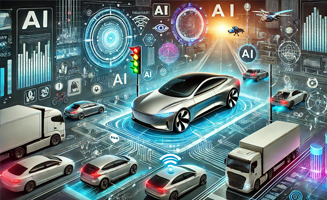
A significant evolution in modern professional development is the introduction of diverse engagement strategies. Many owners ask: what is gamification in automotive training? Effectively, it is the integration of game-design elements, such as leaderboards, points, and digital badges, into the educational process. This method increases engagement by tapping into the natural competitiveness of automotive professionals. When combined with future-focused content regarding electric vehicle readiness and artificial intelligence, gamified learning helps staff stay motivated even when tackling complex subjects. High-quality Automotive Dealership Training Solutions leverage these tools to ensure that the material is not just viewed, but truly internalized and applied in real-world scenarios.
Synthesizing Operations for Future-Proof Growth
The convergence of traditional mechanical service and digital innovation means that the dealership of tomorrow must be more agile than ever. Proficiency in bdc fundamentals dealership operations ensures the pipeline remains full, while adhering to f&i best practices automotive standards protects the integrity of every deal. When these tactical skills are supported by a general management team that prioritizes compliance and technological integration, the dealership becomes a powerhouse of efficiency. Future-proofing the business requires a commitment to ongoing education that addresses emerging retail trends and the shift toward electric mobility.
In conclusion, the path to long-term viability in the automotive industry lies in the seamless integration of departmental expertise. By adopting structured training that touches every corner of the business—from the accounting office to the service drive—dealership owners can navigate the complexities of modern retail with confidence. The practical value of understanding these interconnected topics is found in the ability to create a repeatable, scalable model for success. High-impact training is the catalyst that transforms a stagnant operation into a dynamic, future-ready retail powerhouse capable of thriving in any economic climate.